
行业新闻
Yuming Valve Knowledge Hub | Three Key Criteria for Selecting Quick Shut-Off Ball Valves
2023.04.20

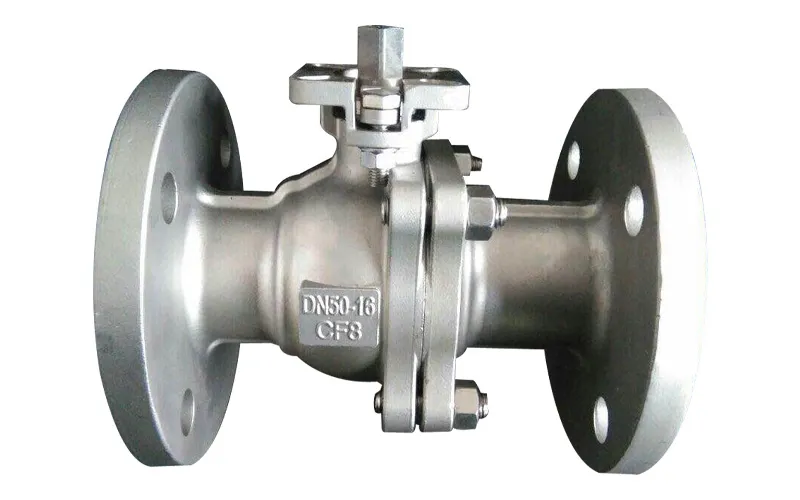
Quick shut-off ball valves are actuators used in automation systems. These valves consist of multi-spring pneumatic diaphragm actuators or floating piston actuators paired with control valves. They receive signals from control instruments to manage the cutting, opening, or switching of fluid flow in process pipelines. These valves are characterized by their simple structure, responsive action, and reliable performance.

Requirements for Quick Shut-Off Ball Valves
The air source for these valves must be filtered compressed air, and the medium flowing through the valve body should be clean, particle-free liquids or gases. Depending on the allowable pressure differential, the medium's characteristics, and the requirements of the process pipeline, one may choose between single-seat, sleeve, or three-way shut-off valves.
Criteria for Selecting Quick Shut-Off Ball Valves
Selection Based on Structural Type
For shut-off performance, quarter-turn valves are generally simpler in structure and offer more reliable sealing compared to linear motion valves. Representative options include triple-offset hard-sealed butterfly valves and ball valves, which excel in these aspects.
Selection Based on Sealing Material
In general, soft-seal valves feature a sealing mechanism where either the valve plug or seat is made of non-metallic material, except in corrosion-resistant lined valves. Although soft-seal valves provide excellent sealing, they are susceptible to damage from residual debris during pipeline installation or system cleaning. This damage can increase leakage and compromise sealing reliability. Therefore, soft-seal structures should only be used with clean media, and pipelines must be thoroughly flushed before commissioning.

Selection Based on Sealing Surface
Spherical Seal
Spherical seals involve the rotational motion of a spherical surface coming into tangential contact with a fixed conical surface on the valve. This line-contact design provides superior sealing compared to face-to-face seals. Valves such as ball valves and spherical-sealed butterfly valves use this approach, achieving leakage rates as low as 10⁻⁶ to 10⁻⁸. High-performance triple-offset butterfly valves can even reach zero leakage.
Face-to-Face Seal
Common in plunger-style valve plugs, face-to-face seals typically involve a 60° conical surface with a width between 0.5mm and 2mm. Effective sealing requires precise contact between the two conical surfaces. However, machining tolerances can compromise the seal quality. These valves generally have leakage rates of around 10⁻⁴ but can achieve rates as low as 10⁻⁶ after precision lapping, meeting higher sealing standards.

相关文章

"Fifty Years of Excellence, Creating a Brighter Future Together": Yuming Valve Group's 50th Anniversary Celebration and 2024 Annual Sales Review Conclude Successfully

[New Year's Day] A New Year Dawns, Blessings Begin

2024 International Conference on Nuclear and Radiation Safety Highlights Advances in Nuclear Power Valve Technology

Secrets to Valve Sealing Surface Restoration: Grinding Techniques and Abrasive Selection


Friendly Links


Subscribe to our mailing list

