
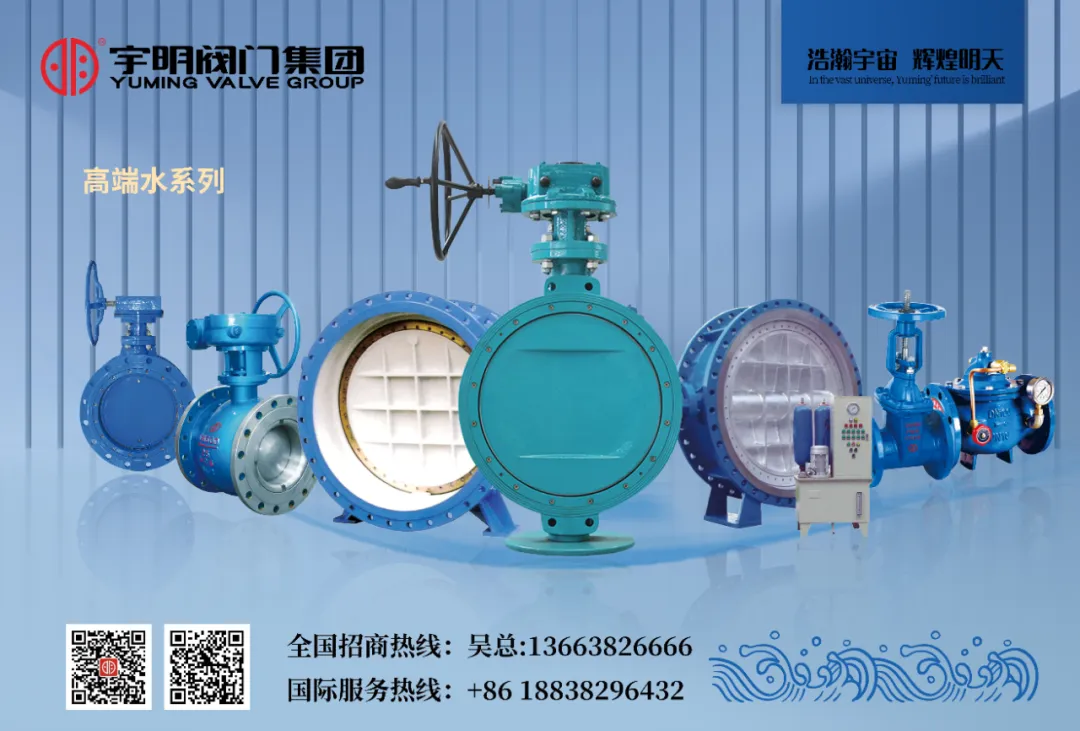

Valve Definition
A valve is a control device for fluid pipelines. Its primary functions include starting or stopping the flow of medium, altering the direction of flow, regulating pressure and flow rate, and ensuring the safe operation of pipeline equipment. Valves typically consist of the valve body, bonnet, seat, closure elements (such as discs, gates, butterfly plates, or diaphragms), actuating mechanism (including the stem and associated drive components), sealing elements (e.g., packing and gaskets), and fasteners.
Valve Classification
Valves are widely used and come in various types. They can be classified based on different criteria:
1.1 By Actuation Method
Automatic Valves: Operate automatically using the energy from the medium (e.g., liquid, gas), such as check valves, safety valves, control valves, steam traps, and pressure-reducing valves.
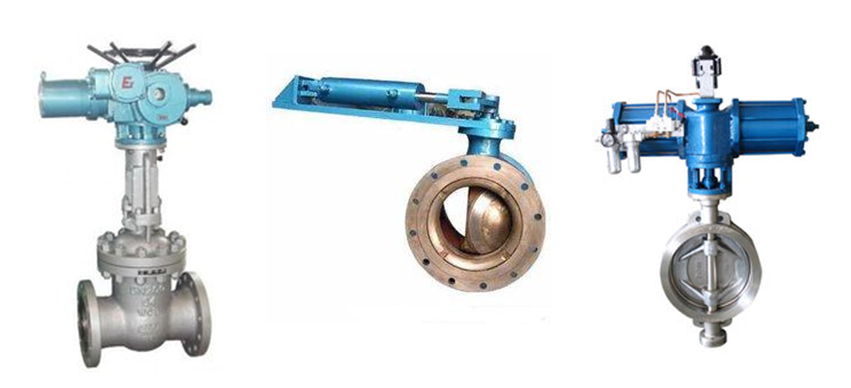
Actuated Valves: Operated manually or through electric, hydraulic, or pneumatic means, such as gate valves, globe valves, butterfly valves, ball valves, and plug valves.
Manual Valves: Operated using handwheels, handles, levers, or chain wheels. For high torque applications, gear or worm gear reducers may be used.
Electric Valves: Actuated by motors, solenoids, or other electrical devices.
Hydraulic Valves: Driven by water or oil.
Pneumatic Valves: Driven by compressed air.
1.2 By Pressure Rating
Low-Pressure Valves: Nominal pressure below 1.6 MPa.
Medium-Pressure Valves: Nominal pressure between 2.5 MPa and 6.4 MPa.
High-Pressure Valves: Nominal pressure between 10 MPa and 80 MPa.
Ultra-High-Pressure Valves: Nominal pressure above 100 MPa.


1.3 By Temperature Rating
High-Temperature Valves: Operating temperature above 450°C.
Medium-Temperature Valves: Operating temperature between 120°C and 450°C.
Normal-Temperature Valves: Operating temperature between -29°C and 120°C.
Low-Temperature Valves: Operating temperature between -100°C and -29°C.
Cryogenic Valves: Operating temperature below -100°C.
1.4 By Nominal Size
Small-Bore Valves: Nominal size DN ≤ 40 mm.
Medium-Bore Valves: Nominal size DN 50–300 mm.
Large-Bore Valves: Nominal size DN 350–1200 mm.
Extra-Large-Bore Valves: Nominal size DN ≥ 1400 mm.
1.5 By Connection to Pipeline
Flanged Valves: The valve body has flanges that connect to the pipeline using bolts and gaskets.
Threaded Valves: The valve body has internal or external threads for connecting to the pipeline.
Welded Valves: The valve body has welded ends for connection to the pipeline.
Clamp-Type Valves: The valve body has clamps for pipeline connection.
Ferrule Valves: Connected to the pipeline using ferrules.
1.6 By Function
Shut-Off Valves: Used to start or stop the flow of medium, such as gate valves, globe valves, ball valves, and butterfly valves.
Check Valves: Prevent reverse flow of medium, such as check valves.
Regulating Valves: Adjust the pressure and flow rate of the medium, such as flow control valves, regulating valves, and pressure-reducing valves.
Diverting Valves: Change the flow direction of the medium in pipelines, such as three-way plugs, distribution valves, and sliding valves.
Safety Valves: Release excess medium when pressure exceeds a specified value to protect the pipeline system and equipment, such as safety valves and emergency shut-off valves.
Other Specialized Valves: Include steam traps, vent valves, and drain valves.
相关文章

"Fifty Years of Excellence, Creating a Brighter Future Together": Yuming Valve Group's 50th Anniversary Celebration and 2024 Annual Sales Review Conclude Successfully

[New Year's Day] A New Year Dawns, Blessings Begin

2024 International Conference on Nuclear and Radiation Safety Highlights Advances in Nuclear Power Valve Technology

Secrets to Valve Sealing Surface Restoration: Grinding Techniques and Abrasive Selection


Friendly Links


Subscribe to our mailing list

